 Custom Rollstock Film


Have you ever wondered how you can get high-quality, custom packaging without breaking the bank or waiting forever for your prints to be ready? Digital printing might be the solution you’ve been searching for. Whether you’re looking for a stand up pouch, mylar bag, or even a shaped pouch, digital printing offers a faster, more flexible way to bring your branding to life. So, what exactly is digital printing, and how can it benefit your business?
What is digital printing on packaging?
Digital printing is the process of directly printing digital images onto a variety of media. Unlike traditional printing methods, such as offset printing, digital printing doesn’t require printing plates. This means that files (like PDFs) can be sent directly to a digital printer, which drastically reduces setup time and costs. Simply put, digital printing is quicker, cheaper, and more flexible, making it ideal for businesses that need high-quality prints in a shorter turnaround time.
The Advantages of Digital Printing
The technology behind digital printing has made incredible strides in recent years, particularly in production speed. Modern digital printing machines can produce up to 8,000 square meters of prints per hour, with resolution levels that can reach up to 2400 dpi. This means your prints will have a high level of detail, ideal for brand logos, product images, and marketing text.
Why Digital Printing Over Traditional Methods?
So, what’s the catch with traditional printing? While offset printing (often used for larger volumes) is highly effective for mass production, it’s not as flexible or fast as digital printing. Offset printing requires the creation of printing plates, a process that takes time and adds to the cost. Plus, you can’t easily make changes once you’ve started printing — an error on the print can cost you both time and money.
Key Benefits of Digital Printing in Packaging
- High-quality Prints: Digital printers can reproduce rich, vibrant colors with sharp details on a variety of materials, including Mylar Bags and Stand-Up Pouches.
-
Faster Turnaround Time: With reduced setup time, digital printing allows for quicker production, meaning your products get to market faster.
-
Cost-effective for Small Orders: If you only need a few hundred units, digital printing is much more affordable than traditional methods that require larger print runs to offset setup costs.
-
No Plate Costs: Traditional printing methods require costly plates, whereas digital printing works directly from the file, eliminating extra setup fees.
- Consistency: Advanced digital printers ensure color consistency, meeting high-quality standards and brand guidelines.
How Digital Printing Can Benefit Your Business
Whether you’re in the food, retail, or cosmetics industry, packaging plays a crucial role in attracting customers and enhancing brand identity. With digital printing, you can create custom packaging for your products, such as eye-catching quad seal bags or shaped pouches, that not only stand out but also maintain the integrity of your brand.
Why Choose Us for Your Digital Printing Needs?
At XINDINGLI PACK, we understand the importance of both product quality and cost-efficiency. Our custom pouch bags undergo rigorous testing to ensure that we meet the highest standards. According to the standard odor release protocol, our packaging guarantees an over 95% odor retention rate, which is a top priority for consumers seeking freshness and quality. Plus, our premium metallized materials offer exceptional barrier performance, safeguarding your products from external elements.

What is meant by digital printing?
Digital printing is the process of printing digital-based images directly onto a variety of media substrates. There is no need for a printing plate, unlike with offset printing.
What are examples of digital printing?
Examples of digital printing include printing on packaging materials like Mylar bags, stand-up pouches, and custom-shaped pouches. Other common applications are printing on labels, brochures, business cards, and even textiles. Digital printing is used widely for creating high-quality, custom designs for products, allowing for quick turnaround times and low production costs.
What is the difference between digital printing and offset printing?
Digital printing directly transfers color onto the paper, while offset printing uses separate plates for each color, transferring ink to a blanket cylinder before applying it to the paper.
How can you tell if a print is offset or digital?
To distinguish between offset and digital printing, look at the following characteristics:
Dot Pattern: Offset prints typically show a consistent, grid-like dot pattern due to the use of ink on plates. Digital prints tend to have a smoother appearance with less visible dot patterns.
Edges: Digital prints often have sharper, cleaner edges, while offset prints may show slight variations or a softer edge, especially in finer details.
Paper Quality: Offset printing is commonly used on higher-quality, thicker paper, while digital printing is more flexible and can be used on a wide variety of substrates, including thinner papers and flexible packaging.
About us

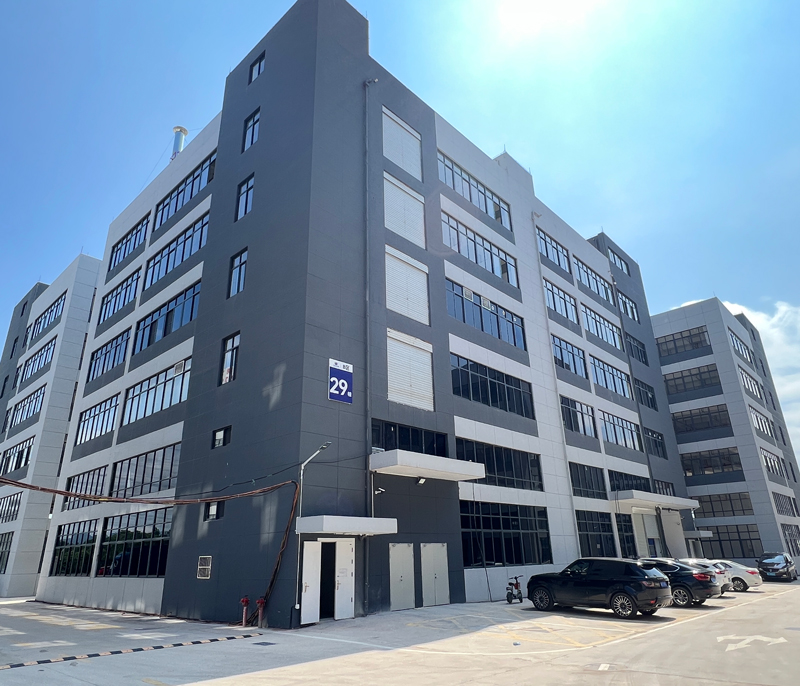
At XINDINGLI PACK, we pride ourselves on providing exceptional packaging solutions tailored to the needs of over 1,000 global brands. As a leading provider in the packaging industry, we are committed to offering innovative and high-quality packaging products. Our mission is to become the best foreign trade enterprise in the packaging sector, and we are guided by values of proactivity, teamwork, and responsibility in driving our continuous progress.
We specialize in a wide range of customizable packaging options, including sealed Mylar bags, vacuum seal Mylar bags, child-resistant Mylar bags, and custom 3.5 Mylar bags, all designed to meet specific needs and enhance product presentation. Let us assist in enhancing your brand's image with premium packaging solutions.